

Proteomic Applications in Virology
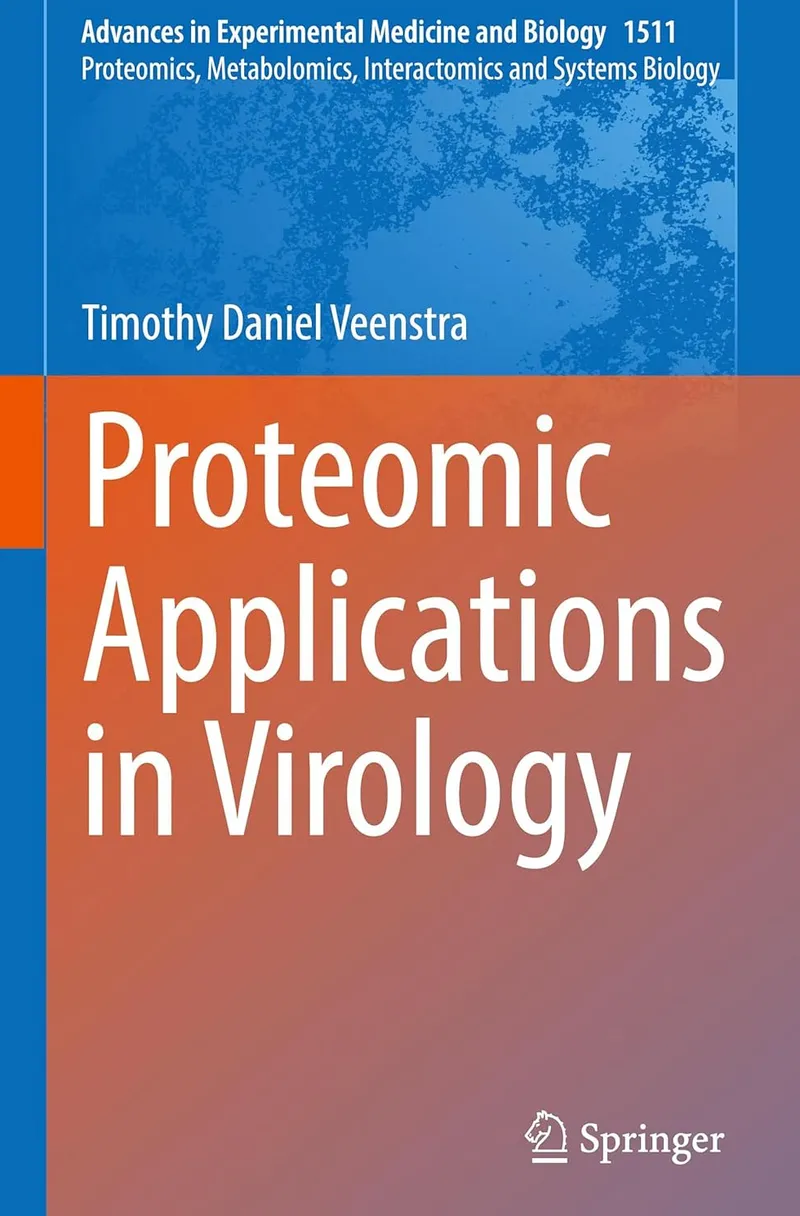
Proteomic Applications in Virology, edited by Timothy Daniel Veenstra, provides a comprehensive introduction to the intersection of proteomics technology and virology. Published by Springer Cham in 2026 as part of the Advances in Experimental Medicine and Biology series, the book explores how proteomic approaches can be applied to viral research to improve understanding of viral structure, infection, host responses, and pathogenesis.
Proteomics has become an important approach in modern biomedical research because it allows scientists to study proteins and their interactions on a large scale. When combined with virology, proteomic technologies can provide valuable insights into how viruses interact with host cells, how infections alter cellular processes, and how viral components can be characterized and investigated.
About the Book
Proteomic Applications in Virology provides readers with a foundation in both proteomics and virology, making it accessible to researchers and students who may specialize in one field but want to understand the opportunities offered by the other.
The book illustrates how these two disciplines can complement one another through detailed examples of proteomic applications in viral research. It demonstrates how studying proteins and protein interactions can contribute to a deeper understanding of viral biology, infection mechanisms, and disease development.
Proteomics and Viral Research
A central theme of the book is the application of proteomic technologies to important questions in virology. The chapters explore how protein-level analysis can contribute to the investigation of viral infections and the molecular mechanisms associated with disease.
Topics include:
- Proteomic analysis of viral infections
- Protein characterization in viral research
- Viral structure and protein composition
- Host–virus interactions
- Molecular mechanisms of viral pathogenesis
- Proteomic approaches to understanding infection
- Applications of proteomics in modern virology
By bringing these areas together, the book demonstrates the value of interdisciplinary research between proteomics specialists and virologists.
Proteomics in COVID-19 and Influenza Research
The book includes applications of proteomics to significant viral diseases, including COVID-19 and influenza. These examples demonstrate how proteomic technologies can be used to investigate changes associated with viral infection and to explore the molecular processes underlying disease.
The discussion of these viruses provides readers with practical examples of how proteomics can contribute to contemporary infectious disease research.
HIV and Viral Pathogenesis
Another important area covered is the proteomic characterization of HIV infection. Proteomic approaches can help researchers investigate changes in proteins and cellular pathways associated with infection, providing additional perspectives on viral biology and host responses.
The book also examines broader applications of proteomics in studying viral pathogenesis, helping readers understand how protein-level information can complement traditional virological and molecular approaches.
Structural Characterization of Viruses
Proteomic technologies can also contribute to understanding the composition and structure of viruses. The book explores the use of proteomics for the structural characterization of viruses, providing insight into viral components and their biological roles.
This perspective connects analytical technologies with fundamental questions about viral structure and function and demonstrates how proteomic data can contribute to a more detailed understanding of viral systems.
Proteomics and Vaccine Development
The applications discussed in the book extend beyond basic viral research to areas with potential translational importance, including vaccine development.
Proteomic approaches can provide information about viral proteins and immune-relevant components that may be useful during vaccine research and development. By including this topic, the book demonstrates how proteomics can contribute to research extending from molecular characterization toward biomedical applications.
An Interdisciplinary Approach
One of the key strengths of Proteomic Applications in Virology is its interdisciplinary perspective. Researchers who specialize primarily in proteomics can gain a clearer understanding of its applications in virology, while virologists can explore how proteomic technologies may expand their research capabilities.
This cross-disciplinary approach makes the book useful for scientists interested in developing collaborations between proteomics technology and viral research.
Who Should Use This Book?
This book may be useful for:
- Undergraduate students studying virology or proteomics
- Graduate students in biomedical sciences
- Postdoctoral researchers
- Virologists
- Proteomics researchers
- Molecular biologists
- Biomedical scientists
- Infectious disease researchers
- Researchers working on viral pathogenesis
- Scientists involved in vaccine research
- Researchers interested in interdisciplinary approaches to viral biology
Final Thoughts
Proteomic Applications in Virology provides a modern overview of how proteomic technologies can expand the study of viruses and viral diseases. By combining foundational concepts with examples involving COVID-19, influenza, HIV, viral structure, pathogenesis, and vaccine development, the book demonstrates the growing importance of proteomics in contemporary virology.
For students, postdoctoral researchers, and scientists working in either proteomics or virology, this volume offers an opportunity to understand how collaboration between the two fields can provide new perspectives on viral biology and infection.
Book Information
Title: Proteomic Applications in Virology
Author: Timothy Daniel Veenstra
Publisher: Springer Cham
Publication Date: May 13, 2026 (eBook); May 15, 2026 (Hardcover)
Edition: 1st
Language: English
Series: Advances in Experimental Medicine and Biology
eBook ISBN: 978-3-032-22340-1
Hardcover ISBN: 978-3-032-22339-5
Softcover ISBN: 978-3-032-22342-5
DOI: 10.1007/978-3-032-22340-1
Series ISSN: 0065-2598
Series E-ISSN: 2214-8019
Number of Pages: XVII, 293
Illustrations: 7 black-and-white illustrations, 71 color illustrations
Subjects: Proteomics / Virology / Viral Pathogenesis / Viral Structure / COVID-19 / Influenza / HIV / Vaccine Development / Molecular Biology / Biomedical Research / Infectious Diseases
Proteomic Applications in Virology explores how modern proteomic technologies can be integrated with virology to investigate viral structure, infection, pathogenesis, host responses, and vaccine development.
Support the Creators!
If you enjoy this book, please consider supporting the author and publisher by purchasing a physical or digital copy. Buying official copies ensures authors can keep writing great books.