
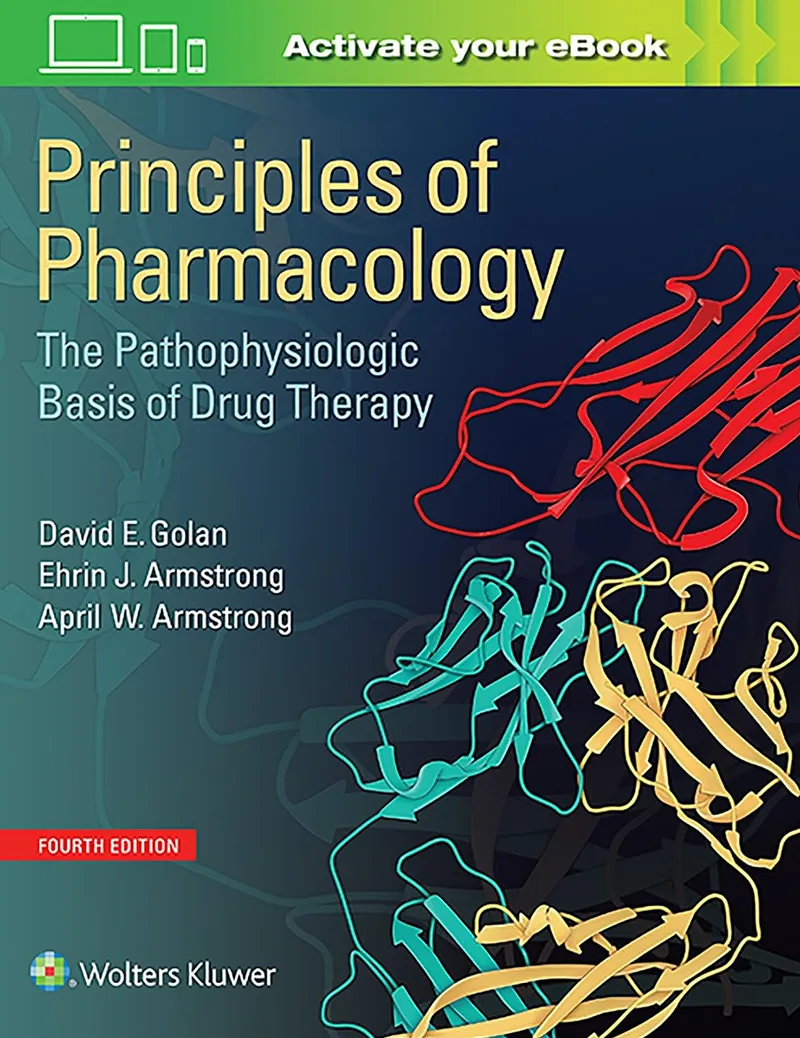

Principles of Pharmacology: The Pathophysiologic Basis of Drug Therapy, 4th Edition
Principles of Pharmacology: The Pathophysiologic Basis of Drug Therapy, 4th Edition provides an integrated, mechanism-based and systems-based approach to understanding modern pharmacology and drug therapy. Published by Wolters Kluwer Health, this comprehensive textbook connects biochemistry, physiology, pathophysiology, and pharmacology to help students understand how drugs interact with molecular and cellular targets to produce therapeutic effects.
Designed with first- and second-year medical students in mind, the book presents challenging pharmacological concepts in an organized and accessible format. Each chapter begins with a clinical vignette that introduces a therapeutic problem, develops the relevant physiological and pathophysiological principles, and then explains the pharmacology of the drugs and drug classes that influence the system.
About the Book
An Integrated Approach to Pharmacology
Rather than presenting pharmacology as a collection of drug names and facts, the book builds an understanding of why drugs work by connecting pharmacological mechanisms with normal and abnormal physiology.
The progression from biochemical and physiological principles to pathophysiology and finally to drug therapy provides students with a logical framework for understanding therapeutic decisions.
Clinical Vignettes and Therapeutic Problems
Each chapter begins with a clinical vignette that introduces a therapeutic problem within a physiological or biochemical system. This approach gives students a clinical context before they explore the underlying science.
By starting with a patient-centered problem, the book helps demonstrate how pharmacological principles are applied to real therapeutic situations.
Biochemistry, Physiology, and Pathophysiology
The book examines the relevant biochemistry, physiology, and pathophysiology of each system before moving into drug therapy. This allows readers to understand the biological processes that drugs modify and the consequences of altering those processes.
This systems-based organization is particularly useful for students who are learning pharmacology alongside other basic medical sciences.
Molecular and Cellular Drug Targets
A central theme is the interaction between drugs and their specific molecular and cellular targets. The book explains how drug classes activate or inhibit physiological systems and how these interactions contribute to therapeutic effects.
This mechanism-based perspective provides a foundation for understanding drug actions rather than relying solely on memorization.
Organ Systems and Therapeutic Areas
Individual chapters are integrated into sections organized around important organ systems and therapeutic areas. This structure helps students connect related pharmacological concepts and understand how different drug classes influence particular physiological systems.
Fundamental Principles of Pharmacology
The first section provides a comprehensive framework for the pharmacological concepts developed throughout the remainder of the book. The fourth edition includes important changes to this section to strengthen its role as the foundation for understanding subsequent material.
Drug-Receptor Interactions and Pharmacodynamics
The fourth edition includes extensively revised coverage of drug-receptor interactions and pharmacodynamics, helping readers understand how drugs interact with receptors and how these interactions translate into pharmacological effects.
The updated material supports a deeper understanding of dose-response relationships, drug action, and therapeutic effects.
Drug Transporters
A new chapter on drug transporters expands the book’s coverage of the mechanisms that influence the movement of drugs within biological systems. This addition reflects the importance of transport processes in contemporary pharmacology and drug therapy.
Drug Toxicity and Pharmacogenomics
The fourth edition also provides extensively revised information on drug toxicity and pharmacogenomics. These areas are important for understanding adverse drug effects and the ways in which genetic differences can influence responses to medications.
Drug Summary Tables
Nearly 40 Drug Summary Tables provide a convenient reference for essential clinical information. These tables cover areas such as clinical applications, common and serious adverse effects, contraindications, and therapeutic considerations.
They provide a useful way for students to quickly review important drug information during coursework and examination preparation.
Updated Illustrations
Hundreds of illustrations have been updated, colorized, or newly developed to emphasize physiological, pathophysiological, and pharmacological mechanisms.
These visual resources complement the text and help clarify complex interactions between biological systems and drug therapy.
Updated Drug Information
The fourth edition includes comprehensive updates throughout the chapters, including information on recently approved drugs available at the time of publication. This provides students with a broader view of contemporary pharmacological therapy.
Who Should Use This Book?
- First- and second-year medical students
- Students studying pharmacology and drug therapy
- Students learning pharmacology alongside physiology and pathophysiology
- Students preparing for medical examinations
- Learners interested in mechanism-based pharmacology
- Students studying pharmacodynamics and drug-receptor interactions
- Students interested in pharmacogenomics and drug toxicity
- Instructors seeking an integrated pharmacology teaching resource
Final Thoughts
Principles of Pharmacology: The Pathophysiologic Basis of Drug Therapy, 4th Edition offers a structured way to learn pharmacology by connecting the actions of drugs to the biological systems they influence. Its combination of clinical vignettes, biochemistry, physiology, pathophysiology, and molecular pharmacology helps students develop a more meaningful understanding of drug therapy.
The fourth edition strengthens this approach through updated drug information, a new chapter on drug transporters, revised discussions of drug-receptor interactions, pharmacodynamics, toxicity, and pharmacogenomics, as well as updated illustrations and practical Drug Summary Tables. It is particularly well suited to students seeking a comprehensive foundation in clinical and mechanism-based pharmacology.
Book Information
Title: Principles of Pharmacology: The Pathophysiologic Basis of Drug Therapy
Publisher: Wolters Kluwer Health
Publication Date: January 1, 2016
Edition: 4th Edition
Language: English
Print Length: 1,020 pages
ISBN-10: 9781451191004
ISBN-13: 978-1451191004
ASIN: B0? 1451191006
Subjects: Pharmacology, Clinical Pharmacology, Drug Therapy, Pathophysiology, Pharmacodynamics, Drug-Receptor Interactions, Drug Transporters, Pharmacogenomics, Drug Toxicity, Therapeutics, Medical Education
Principles of Pharmacology: The Pathophysiologic Basis of Drug Therapy, 4th Edition provides an integrated understanding of pharmacology by connecting drug mechanisms with biochemistry, physiology, pathophysiology, and clinical therapy.
Support the Creators!
If you enjoy this book, please consider supporting the author and publisher by purchasing a physical or digital copy. Buying official copies ensures authors can keep writing great books.