
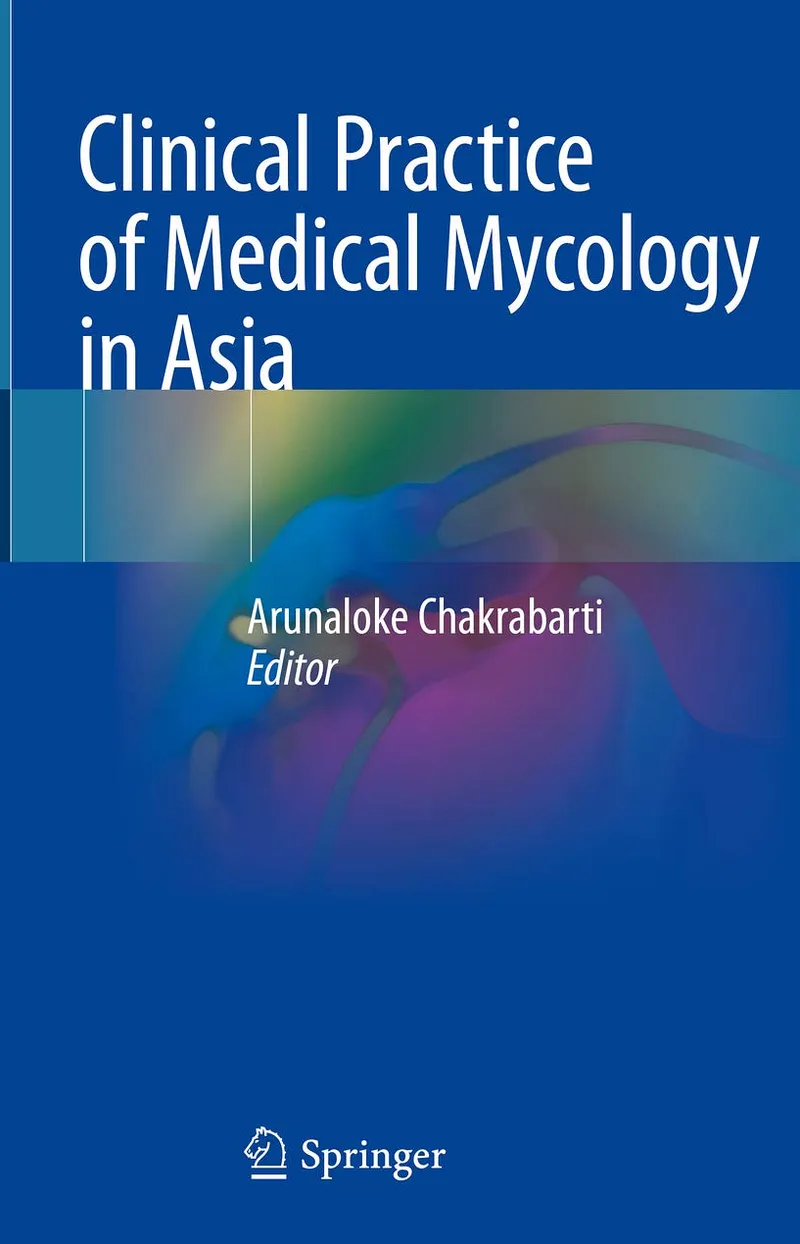

Clinical Practice of Medical Mycology in Asia
Clinical Practice of Medical Mycology in Asia is a specialized medical mycology resource that examines the distinctive epidemiology, clinical presentation, diagnosis, and management of fungal infections across Asia. Published by Springer, the book emphasizes that fungal diseases in Asian countries can differ considerably from those encountered in Western settings, including differences in causative species, natural history, and approaches to treatment.
With Asia accounting for more than half of the world’s population and containing diverse environmental and socioeconomic conditions that can favor fungal growth and transmission, understanding the regional characteristics of mycoses is particularly important. The book provides a clinically relevant perspective on the burden of fungal infections and the challenges faced by healthcare systems in diagnosing and managing these diseases.
About the Book
Epidemiology of Fungal Infections in Asia
A major focus of the book is the unique epidemiology of fungal infections in Asian countries. Differences in geography, climate, population density, healthcare infrastructure, and socioeconomic conditions can influence the distribution and impact of fungal diseases.
The book helps place fungal infections within this regional context and highlights why epidemiological information from Western countries cannot always be directly applied to Asian populations.
Regional Differences in Fungal Diseases
The causative fungal species, natural history of infection, and management strategies may vary between Asian and Western countries. By focusing specifically on Asia, this book provides a regional perspective that can help clinicians and researchers better appreciate these differences.
Environmental and Socioeconomic Factors
Asia contains environmental conditions that support the growth of numerous fungal species, including organisms that may be less commonly encountered elsewhere. At the same time, factors such as overcrowding, limited healthcare facilities, and inadequate awareness can contribute to the morbidity and mortality associated with fungal diseases.
Understanding these factors provides important context for evaluating the burden of fungal infections and developing appropriate healthcare strategies.
Diagnostic Mycology Challenges
One of the important issues addressed is the limited availability of well-equipped diagnostic mycology laboratories in many Asian countries. When laboratory diagnosis is difficult or unavailable, clinicians may have to rely heavily on clinical experience when making decisions about antifungal management.
This highlights the importance of strengthening diagnostic capabilities and improving access to reliable laboratory testing.
Antifungal Management
The book examines fungal disease management within the realities of Asian healthcare systems. Limited diagnostic information can make antifungal treatment decisions more challenging, particularly when management is based primarily on clinical experience.
The regional approach provides useful context for understanding the practical difficulties associated with diagnosing and treating fungal infections.
Burden of Fungal Infections
Available data from Asian countries indicate a substantial burden of fungal disease. The book draws attention to the potentially high incidence of fungal infections and the associated impact on morbidity and mortality.
This makes the subject relevant not only to individual patient care but also to broader public health and healthcare planning.
Who Should Use This Book?
- Medical mycologists
- Clinical microbiologists
- Infectious disease specialists
- Medical students and postgraduate students
- Clinicians involved in the diagnosis of fungal infections
- Clinical laboratory professionals
- Researchers studying fungal diseases and epidemiology
- Healthcare professionals working in Asian settings
- Students and researchers interested in regional medical mycology
Final Thoughts
Clinical Practice of Medical Mycology in Asia provides an important regional perspective on fungal infections and the challenges associated with their diagnosis and management. By examining differences in causative species, epidemiology, natural history, healthcare infrastructure, and treatment practices, the book demonstrates why medical mycology in Asia deserves focused consideration.
Its discussion of diagnostic limitations, socioeconomic factors, and the substantial burden of fungal infections makes it a useful resource for clinicians, microbiologists, researchers, and students seeking a better understanding of medical mycology in the Asian context.
Book Information
Title: Clinical Practice of Medical Mycology in Asia
Publisher: Springer
Publication Date: November 16, 2019
Edition: 1st ed. 2020
Language: English
Print Length: 614 pages
ISBN-13: 978-9811394591
ASIN: B081MS5N22
Subjects: Medical Mycology, Clinical Mycology, Fungal Infections, Asian Epidemiology, Fungal Disease, Diagnostic Mycology, Antifungal Management, Clinical Microbiology, Infectious Diseases, Public Health
Clinical Practice of Medical Mycology in Asia offers a regionally focused examination of fungal infections, emphasizing Asian epidemiology, diagnostic challenges, healthcare conditions, and practical approaches to fungal disease management.
Support the Creators!
If you enjoy this book, please consider supporting the author and publisher by purchasing a physical or digital copy. Buying official copies ensures authors can keep writing great books.