
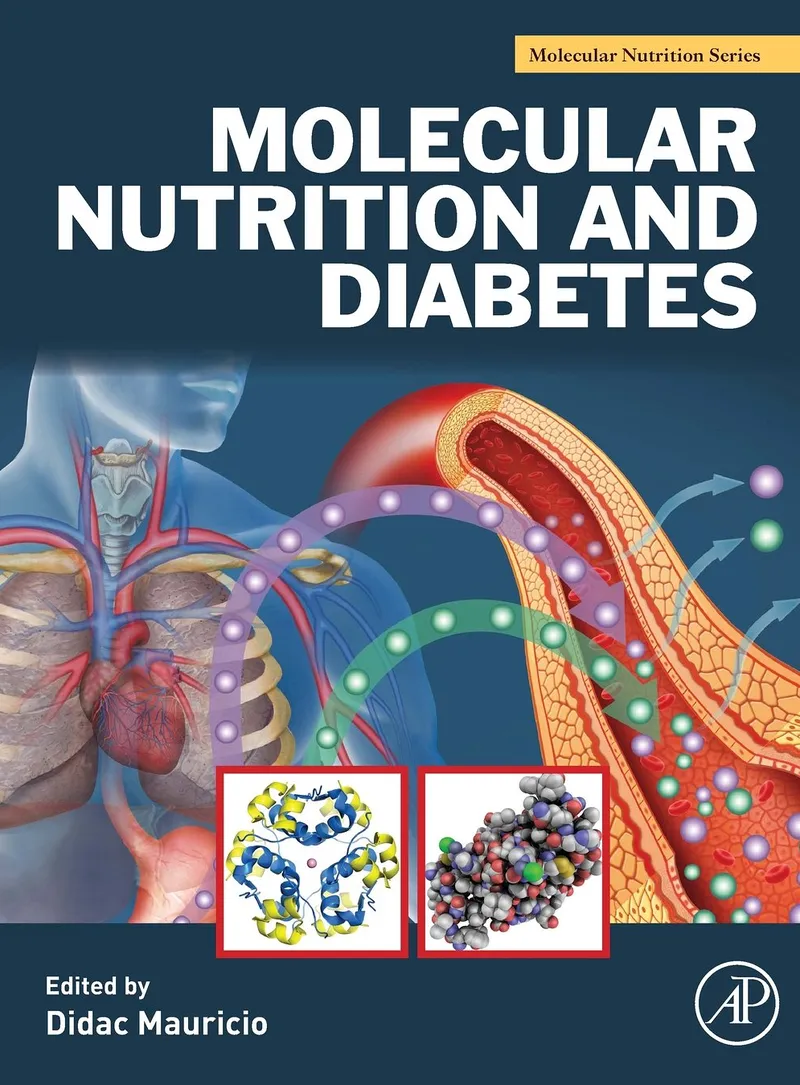

Molecular Nutrition and Diabetes: A Volume in the Molecular Nutrition Series
Molecular Nutrition and Diabetes examines diabetes from a nutritional and molecular perspective, exploring how dietary factors, metabolism, genetics, and cellular signaling contribute to the development and progression of diabetes. As part of the Molecular Nutrition Series, the book connects basic research with clinical and translational considerations related to nutritional management.
The book emphasizes the relationship between fuel metabolism, dietary supply, and the diabetic process. By examining the molecular mechanisms underlying diabetes, it provides readers with a deeper understanding of how nutritional factors may influence insulin resistance, glucose metabolism, oxidative stress, and diabetic complications.
About the Book
The book is organized into major sections that move from the broader relationship between nutrition and diabetes toward the molecular and genetic mechanisms underlying diabetic metabolism.
Part One provides an overview of nutrition and diabetes, including dietary patterns, insulin resistance, and the glucose-insulin axis. It establishes the metabolic foundation needed to understand how nutrition interacts with the development and management of diabetes.
Part Two focuses more closely on the molecular biology of diabetes. Topics include oxidative stress, mitochondrial function, insulin resistance, high-fat diets, nutriceuticals, and lipid accumulation.
The later sections examine the genetic machinery involved in diabetes and diabetic metabolism, including signaling pathways, gene expression, genome-wide association studies, and specific patterns of gene expression.
Nutrition and the Pathogenesis of Diabetes
A central theme of Molecular Nutrition and Diabetes is the role of nutritional factors in the development of both type 1 and type 2 diabetes and their associated complications. The book considers how dietary and metabolic factors interact with cellular and molecular processes involved in disease.
Understanding these mechanisms can help readers appreciate the relationship between nutrition, insulin signaling, energy metabolism, and the biological processes associated with diabetes.
Molecular and Genetic Mechanisms
The molecular nutrition perspective allows the book to explore diabetes beyond dietary recommendations alone. It examines mechanisms involving:
- Oxidative stress and mitochondrial function
- Insulin resistance
- Lipid accumulation and high-fat diets
- Nutraceuticals
- Cellular signaling pathways
- Gene expression
- Genetic factors and genome-wide association studies
- Molecular regulation of diabetic metabolism
Each chapter also includes a translational section discussing the potential implications of the research for nutritional control of diabetes, helping connect molecular findings with practical and clinical considerations.
Who Should Read This Book?
Molecular Nutrition and Diabetes can be useful for:
- Researchers in molecular nutrition
- Nutrition and metabolism researchers
- Diabetes researchers and clinicians
- Biochemists and molecular biologists
- Students studying nutrition, metabolism, or diabetes
- Professionals involved in basic and clinical diabetes research
- Readers interested in the relationship between diet, genetics, and metabolic disease
Final Thoughts
Molecular Nutrition and Diabetes provides a focused examination of diabetes as a nutritional and metabolic problem while exploring the molecular and genetic mechanisms behind the disease. Its combination of nutritional science, molecular biology, genetics, and translational perspectives makes it a valuable academic resource for understanding how nutrition interacts with diabetes and diabetic metabolism.
Book Information
Title: Molecular Nutrition and Diabetes: A Volume in the Molecular Nutrition Series
Publisher: Academic Press
Publication Date: December 21, 2015
Edition: 1st
Language: English
Print Length: 400 pages
ISBN-10: 0128015853
ISBN-13: 978-0128015858
Subjects: Molecular Nutrition, Diabetes, Nutrition, Metabolism, Molecular Biology, Genetics, Insulin Resistance, Nutritional Science
Support the Creators!
If you enjoy this book, please consider supporting the author and publisher by purchasing a physical or digital copy. Buying official copies ensures authors can keep writing great books.