
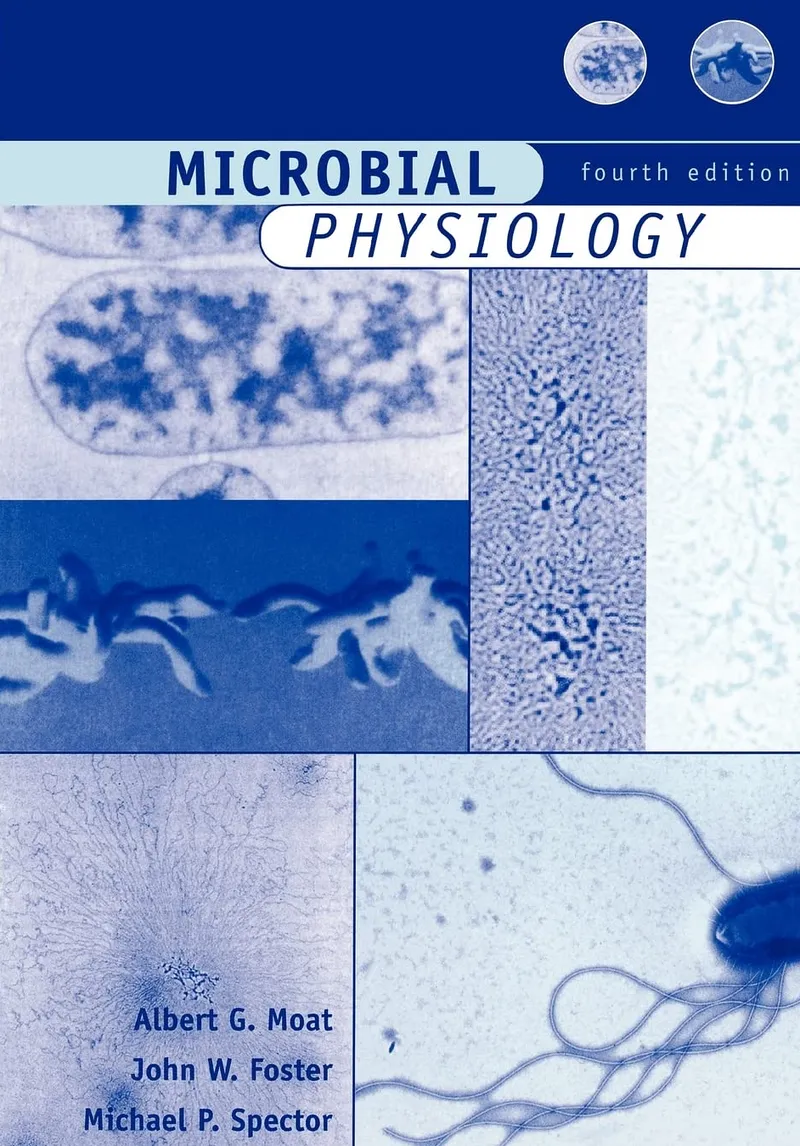

Microbial Physiology, 4th Edition
Microbial Physiology, 4th Edition is a detailed academic textbook exploring the biological processes that allow microorganisms to grow, reproduce, obtain energy, respond to their environments, and maintain cellular function. Published by Wiley-Liss, this edition provides an in-depth treatment of microbial physiology for readers who want to move beyond introductory microbiology.
With 736 pages, the book offers extensive coverage of the physiological and biochemical mechanisms underlying microbial life, making it particularly relevant to advanced students and readers interested in microbial biology, biochemistry, and biotechnology.
About Microbial Physiology
Microorganisms survive in an extraordinary range of environments, from soil and freshwater to the human body and extreme habitats.
Their ability to adapt to these conditions depends on complex physiological processes. Microbial physiology examines how microorganisms obtain nutrients, generate energy, regulate cellular activities, grow, reproduce, and respond to environmental changes.
Understanding these processes provides an important foundation for many areas of modern microbiology.
Microbial Growth and Development
Microbial growth depends on the coordinated activity of numerous cellular processes.
Microorganisms must obtain nutrients, synthesize cellular components, replicate their genetic material, and divide or reproduce. Environmental conditions such as temperature, pH, oxygen availability, and nutrient concentration can strongly influence these processes.
Understanding microbial growth is essential in laboratory microbiology, biotechnology, environmental science, and clinical microbiology.
Microbial Metabolism
Metabolism is at the center of microbial physiology.
Microorganisms use diverse metabolic pathways to obtain energy and produce the molecules required for cellular maintenance and growth. Their metabolic flexibility allows different species to exploit a wide variety of resources.
The study of microbial metabolism also helps explain the important roles microorganisms play in ecosystems and industrial processes.
Energy Generation
Microbial cells require energy for growth, movement, transport, biosynthesis, and other cellular activities.
Different microorganisms use different mechanisms for energy conservation depending on their available resources and environmental conditions.
Understanding respiration, fermentation, and other energy-generating processes provides insight into how microorganisms survive under different conditions.
Nutrient Transport and Utilization
Microorganisms need nutrients such as carbon, nitrogen, phosphorus, sulfur, minerals, and other compounds.
The ability to obtain and utilize these resources is influenced by membrane transport systems and metabolic pathways.
Differences in nutrient requirements help explain why microorganisms occupy different ecological niches and why particular species grow under specific laboratory conditions.
Regulation of Cellular Processes
Microbial cells must constantly adjust their activities according to their surroundings.
Changes in nutrient availability, temperature, pH, oxygen, or other environmental conditions can require microorganisms to alter gene expression and metabolic activity.
These regulatory mechanisms allow microbial cells to maintain physiological balance and adapt to changing environments.
Microbial Adaptation
One of the remarkable characteristics of microorganisms is their ability to survive under diverse conditions.
Some microorganisms thrive in extreme temperatures, highly acidic or alkaline environments, high salt concentrations, or oxygen-free habitats.
Studying microbial physiology helps explain the mechanisms that allow these organisms to tolerate environmental stress and maintain cellular function.
Microbial Physiology and Biotechnology
The physiological and metabolic properties of microorganisms make them valuable in biotechnology.
Microbial cells can be used to produce enzymes, pharmaceuticals, food products, biofuels, chemicals, and other useful materials.
Understanding microbial physiology allows researchers to manipulate growth conditions and metabolic pathways to improve biological production processes.
Environmental Microbiology
Microbial physiology is closely connected to environmental processes.
Microorganisms participate in the cycling of important elements and contribute to decomposition, nutrient transformation, and ecosystem stability.
Their metabolic activities influence soil, water, sediments, and other environments, making microbial physiology an important foundation for environmental microbiology.
Microbial Physiology and Disease
The physiology of microorganisms can also influence their ability to interact with hosts.
Pathogenic microorganisms must obtain nutrients, adapt to host environments, regulate their metabolism, and survive host defenses.
Understanding these physiological processes can therefore contribute to a deeper understanding of microbial pathogenesis and infectious disease.
Who Is This Book For?
Microbial Physiology, 4th Edition can be useful for:
- Microbiology students
- Biology students
- Biochemistry students
- Molecular biology students
- Biotechnology students
- Graduate students
- Researchers studying microbial biology
- Environmental microbiology students
- Students interested in microbial metabolism
- Readers seeking an advanced microbiology reference
Because of its depth, the book is particularly appropriate for readers who already have a basic understanding of microbiology or related biological sciences.
Why Study Microbial Physiology?
Microbial physiology helps answer some of the most fundamental questions about microorganisms:
How do microorganisms obtain energy? How do they acquire nutrients? How do they regulate their metabolism? How do they respond to environmental stress? How do they grow and adapt?
Understanding these mechanisms allows students to move beyond simply identifying microorganisms and begin to understand how microbial cells actually function.
Final Thoughts
Microbial Physiology, 4th Edition provides an extensive examination of the physiological and biochemical processes that govern microbial life.
The book explores important areas including microbial growth, metabolism, energy generation, nutrient utilization, cellular regulation, environmental adaptation, biotechnology, and microbial ecology.
With 736 pages, it offers considerably more depth than a general introductory microbiology textbook and is particularly suited to advanced study.
For students and researchers in microbiology, biochemistry, molecular biology, biotechnology, and environmental science, Microbial Physiology can serve as a valuable reference for understanding the cellular processes that allow microorganisms to grow, survive, and adapt to their environments.
Book Information
Title: Microbial Physiology
Edition: 4th Edition
Publisher: Wiley-Liss
Publication Date: July 19, 2002
Language: English
Print Length: 736 pages
ISBN-10: 0471394831
ISBN-13: 978-0471394839
Subject: Microbial Physiology / Microbial Metabolism / Microbiology / Biochemistry / Biotechnology
Microbial Physiology, 4th Edition provides a detailed foundation in microbial growth, metabolism, energy production, nutrient utilization, cellular regulation, environmental adaptation, and microbial biotechnology, making it a useful resource for advanced students and readers interested in how microorganisms function at the cellular and biochemical level.
Support the Creators!
If you enjoy this book, please consider supporting the author and publisher by purchasing a physical or digital copy. Buying official copies ensures authors can keep writing great books.