
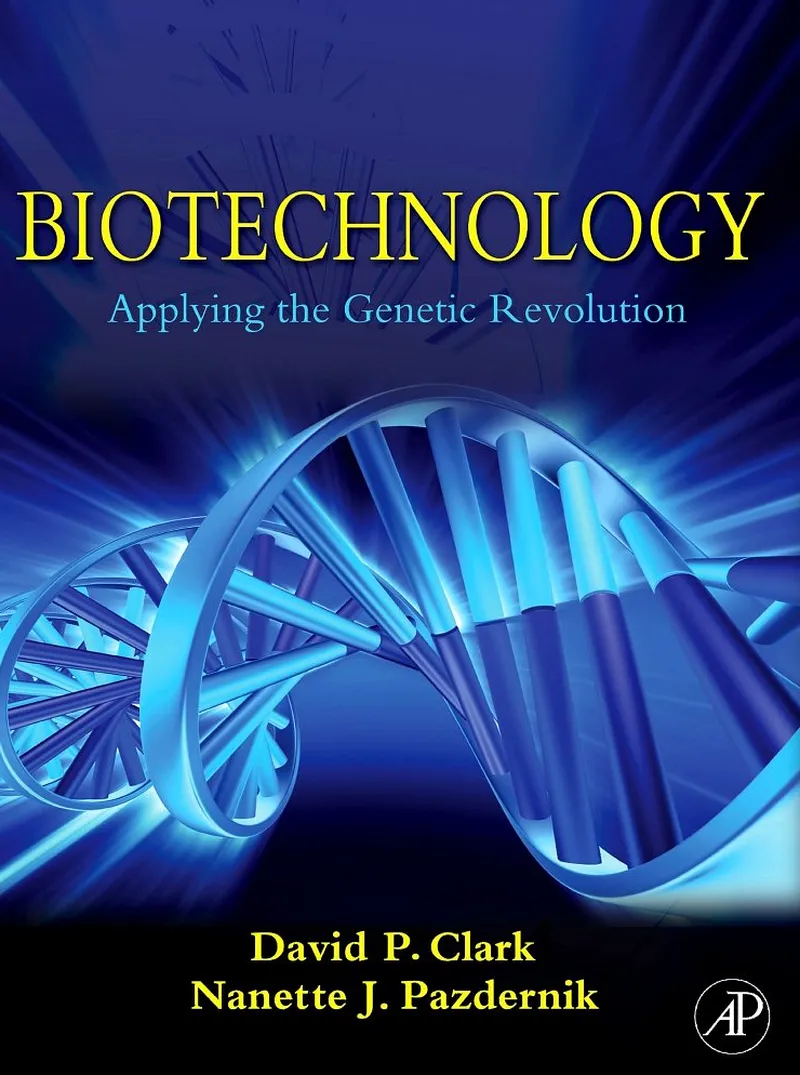

Biotechnology: Applying the Genetic Revolution, 1st Edition
Biotechnology: Applying the Genetic Revolution is a comprehensive textbook exploring how advances in genetics and molecular biology have transformed biotechnology. Published by Academic Cell, the book examines the scientific principles behind genetic technologies and their applications in medicine, agriculture, industry, environmental science, and research.
With 768 pages, this first edition provides broad coverage of biotechnology and is suitable for students and readers who want to understand how discoveries in genetics can be translated into practical biological applications.
About Biotechnology: Applying the Genetic Revolution
The development of modern genetic technology has changed the way scientists understand and manipulate living organisms.
Advances in DNA analysis, genetic engineering, molecular biology, and recombinant DNA technology have created new possibilities for producing useful biological products, studying diseases, improving crops, and developing innovative medical treatments.
Biotechnology: Applying the Genetic Revolution explores these developments and explains how genetic knowledge can be applied beyond the laboratory.
Genetics and Biotechnology
Modern biotechnology is closely connected to our understanding of DNA and genes.
Genes contain information that influences biological characteristics, while changes in genetic material can alter the properties of cells and organisms. Biotechnology uses this knowledge to study, modify, and utilize biological systems.
Understanding these principles provides the foundation for technologies such as recombinant DNA, genetic engineering, molecular diagnostics, and other applications of modern biotechnology.
Recombinant DNA Technology
Recombinant DNA technology allows scientists to combine genetic material from different sources.
This approach has become fundamental to modern biotechnology and has enabled the production of many useful biological molecules. It also provides researchers with tools for studying genes and understanding how genetic information influences biological processes.
Genetic Engineering
Genetic engineering involves deliberately modifying genetic material to produce desired characteristics or functions.
Depending on the application, genetic engineering can be used to study gene function, produce biological products, modify microorganisms, or improve agricultural organisms.
These technologies have become important components of research, medicine, agriculture, and industrial biotechnology.
Biotechnology in Medicine
Genetic technologies have had a major impact on medical research and healthcare.
Biotechnology can be used in areas such as:
- Molecular diagnostics
- Pharmaceutical development
- Recombinant protein production
- Vaccine research
- Genetic disease research
- Biomedical research
- Personalized approaches to medicine
The ability to analyze and manipulate genetic information has expanded our understanding of disease mechanisms and created new approaches to diagnosis and treatment.
Agricultural Biotechnology
Biotechnology has also transformed agricultural research.
Genetic technologies can be used to study crop characteristics and develop plants with particular traits. Molecular biology provides researchers with tools for understanding plant genetics, improving agricultural productivity, and investigating interactions between plants and microorganisms.
Agricultural biotechnology remains an important area of research as scientists address challenges related to food production and environmental conditions.
Industrial Biotechnology
Microorganisms and other biological systems can serve as platforms for producing useful compounds.
Genetic engineering can modify biological pathways to improve the production of enzymes, pharmaceuticals, chemicals, biofuels, and other products.
These applications demonstrate how genetic knowledge can be converted into industrial processes.
Environmental Biotechnology
Biotechnology can also contribute to environmental applications.
Microorganisms with specific metabolic capabilities can be studied or utilized for processes such as waste treatment, pollution management, and bioremediation.
Understanding microbial genetics and metabolism is particularly important when developing biological approaches to environmental problems.
Molecular Biology and Research
Biotechnology depends heavily on advances in molecular biology.
Techniques for analyzing DNA, RNA, proteins, and cellular processes allow researchers to investigate biological systems at increasingly detailed levels.
These methods are essential not only for commercial biotechnology but also for basic scientific research.
The Genetic Revolution
The term genetic revolution reflects the profound changes produced by advances in molecular genetics.
The ability to read, analyze, and manipulate genetic information has transformed scientific research and created technologies that were difficult to imagine only a few decades earlier.
Understanding this transformation provides useful context for the development of modern biotechnology.
Who Is This Book For?
Biotechnology: Applying the Genetic Revolution can be useful for:
- Biotechnology students
- Biology students
- Microbiology students
- Molecular biology students
- Biochemistry students
- Biomedical science students
- Agricultural science students
- Bioengineering students
- Graduate students
- Readers interested in genetic technologies
Its broad coverage makes it suitable as an academic reference for readers exploring different applications of biotechnology.
Why Study Biotechnology?
Biotechnology demonstrates how discoveries in fundamental biology can become practical technologies.
Knowledge of DNA, genes, microorganisms, proteins, and cellular processes can be applied to problems involving medicine, agriculture, food production, industry, environmental protection, and scientific research.
Studying biotechnology therefore provides a bridge between basic biological science and real-world applications.
Final Thoughts
Biotechnology: Applying the Genetic Revolution, 1st Edition provides a broad examination of how advances in genetics and molecular biology have shaped modern biotechnology.
The book explores important areas including genetic engineering, recombinant DNA technology, molecular biology, medical biotechnology, agricultural biotechnology, industrial applications, environmental biotechnology, and genetic research.
With 768 pages, it offers substantial coverage for students and readers seeking to understand the scientific principles and practical applications behind the modern biotechnology industry.
For students studying biotechnology, microbiology, molecular biology, genetics, biochemistry, medicine, agriculture, and related disciplines, this book can serve as a valuable resource for understanding how the genetic revolution has transformed biological research and technological development.
Book Information
Title: Biotechnology: Applying the Genetic Revolution
Edition: 1st Edition
Publisher: Academic Cell
Publication Date: September 19, 2008
Language: English
Print Length: 768 pages
ISBN-10: 0121755525
ISBN-13: 978-0121755522
Subject: Biotechnology / Genetics / Molecular Biology / Genetic Engineering / Microbiology
Biotechnology: Applying the Genetic Revolution provides a comprehensive introduction to the relationship between genetics and biotechnology, exploring how genetic engineering and molecular biology are applied across medicine, agriculture, industry, environmental science, and biological research.
Support the Creators!
If you enjoy this book, please consider supporting the author and publisher by purchasing a physical or digital copy. Buying official copies ensures authors can keep writing great books.