
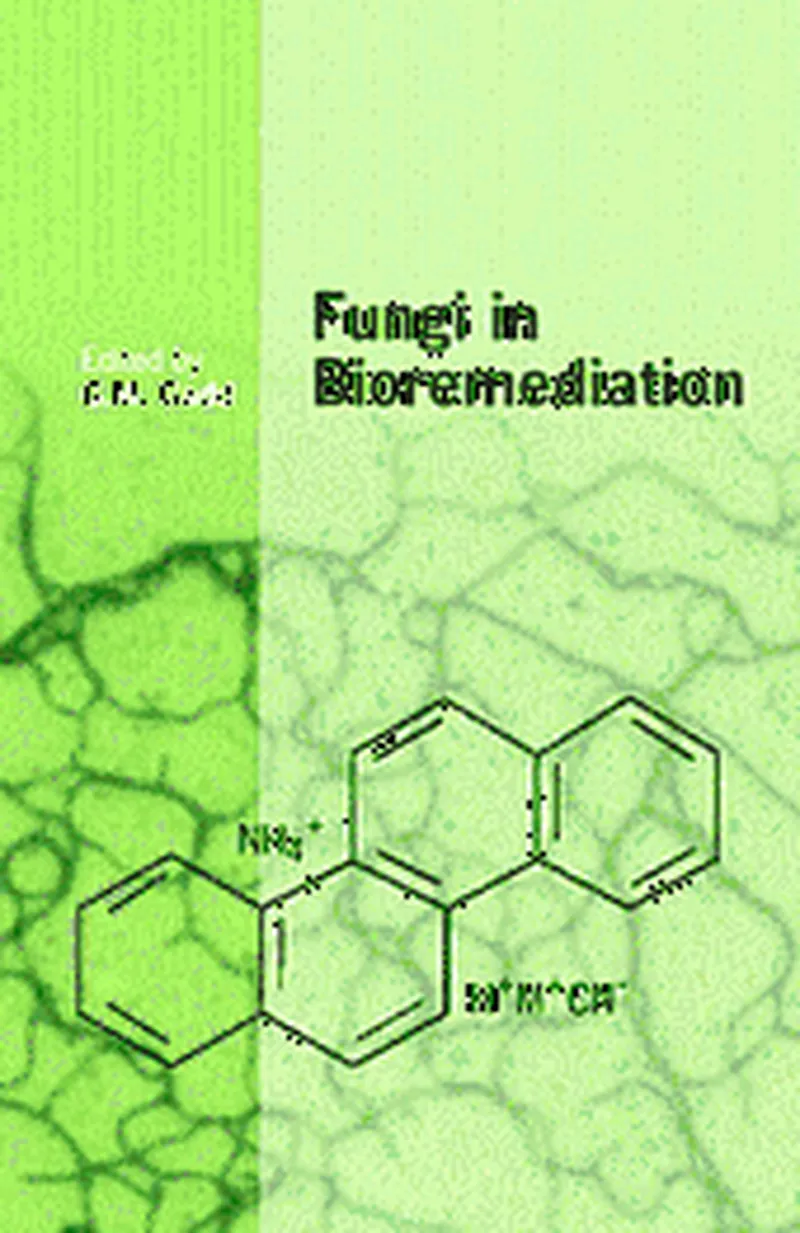

Fungi in Bioremediation: Bioremediation of Polycyclic Aromatic Hydrocarbons by Ligninolytic and Non-Ligninolytic Fungi
Fungi in Bioremediation: Bioremediation of Polycyclic Aromatic Hydrocarbons by Ligninolytic and Non-Ligninolytic Fungi explores the use of fungi as biological agents for the remediation of environments contaminated with polycyclic aromatic hydrocarbons (PAHs). Published by Cambridge University Press, the book focuses on fungal degradation mechanisms and their potential applications in environmental biotechnology.
About the Book
Polycyclic aromatic hydrocarbons are persistent environmental pollutants commonly associated with sources such as petroleum, combustion processes, and industrial activities.
Certain fungi possess powerful enzymatic systems that allow them to transform complex organic compounds. These capabilities make fungi promising organisms for biodegradation and environmental remediation.
Fungal Bioremediation
The book examines how fungi can be used to reduce or transform environmental contaminants.
Particular attention is given to the biological mechanisms through which fungi interact with and degrade polycyclic aromatic hydrocarbons, providing insight into fungal approaches to environmental cleanup.
Ligninolytic Fungi
Ligninolytic fungi are known for their ability to break down lignin, a complex component of plant material.
Their powerful extracellular enzyme systems can also act on structurally complex pollutants. The book explores the relevance of ligninolytic fungi and their oxidative enzymes to the degradation of PAHs.
Non-Ligninolytic Fungi
The book also considers fungi that do not rely primarily on lignin-degrading systems.
Examining non-ligninolytic fungi broadens the understanding of the different biological mechanisms that can contribute to PAH transformation and biodegradation.
Enzymatic Mechanisms
Fungal biodegradation is closely associated with enzyme activity.
The book discusses the importance of fungal enzymes and metabolic processes involved in transforming complex aromatic compounds, providing a biochemical perspective on microbial pollutant degradation.
Polycyclic Aromatic Hydrocarbons
PAHs are a major environmental concern because of their persistence and potential toxicity.
Understanding their chemical characteristics and biodegradation pathways is important for developing effective biological remediation strategies.
Environmental Biotechnology
Fungal bioremediation represents an important area of environmental biotechnology.
The approaches discussed in the book demonstrate how biological systems can potentially complement conventional methods for managing contaminated soil and other polluted environments.
Who Is This Book For?
Fungi in Bioremediation can be useful for:
- Environmental microbiology students
- Mycology students
- Biotechnology students
- Environmental science students
- Biochemistry students
- Microbial ecology researchers
- Environmental biotechnology researchers
- Bioremediation professionals
It is particularly relevant to readers interested in the intersection of mycology, biodegradation, and environmental remediation.
Final Thoughts
Fungi in Bioremediation provides a focused examination of the potential of fungi to address environmental contamination by persistent organic pollutants.
By examining both ligninolytic and non-ligninolytic fungi, the book provides insight into fungal metabolism, enzymatic degradation, and the biological transformation of polycyclic aromatic hydrocarbons.
It is a specialized resource for readers studying fungal biotechnology, environmental microbiology, biodegradation, and bioremediation.
Book Information
Title: Fungi in Bioremediation: Bioremediation of Polycyclic Aromatic Hydrocarbons by Ligninolytic and Non-Ligninolytic Fungi
Publisher: Cambridge University Press
Publication Date: October 8, 2009
Language: English
ISBN: 9780511541780
DOI: 10.1017/CBO9780511541780
Subject: Mycology / Bioremediation / Biodegradation / Environmental Microbiology / Polycyclic Aromatic Hydrocarbons / Environmental Biotechnology
Fungi in Bioremediation examines how ligninolytic and non-ligninolytic fungi can contribute to the biodegradation of polycyclic aromatic hydrocarbons, providing a specialized introduction to fungal enzymes, degradation mechanisms, and their potential applications in environmental remediation.
Support the Creators!
If you enjoy this book, please consider supporting the author and publisher by purchasing a physical or digital copy. Buying official copies ensures authors can keep writing great books.