
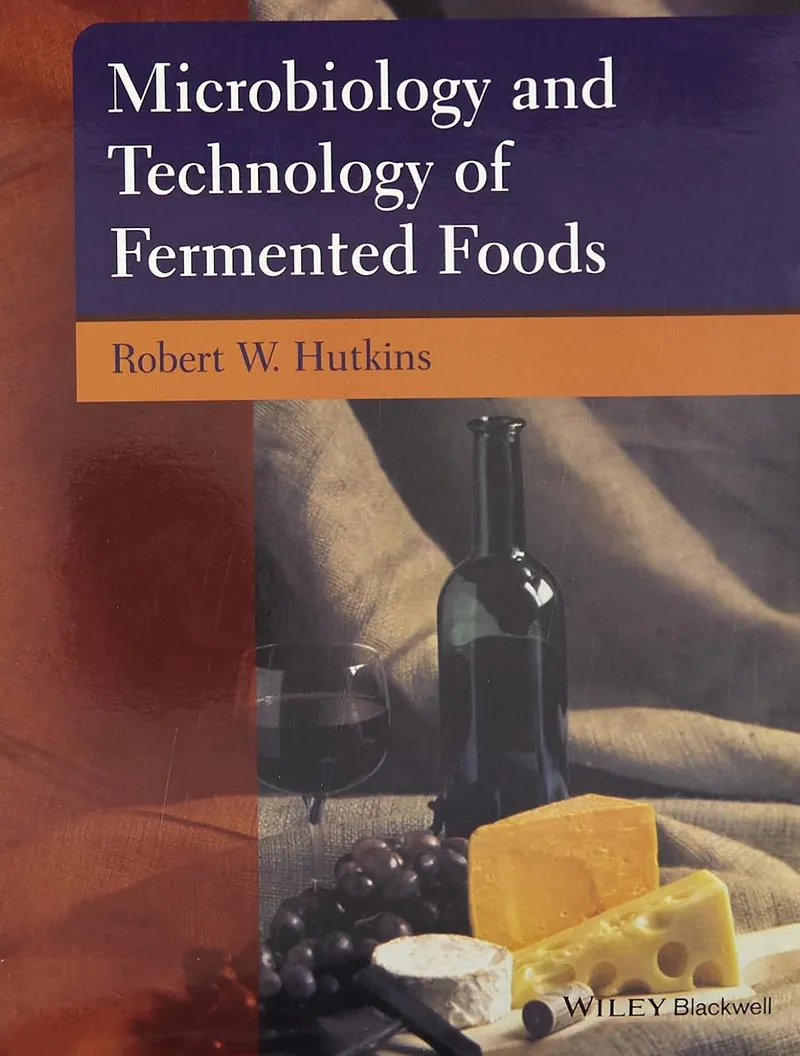

Microbiology and Technology of Fermented Foods
Microbiology and Technology of Fermented Foods is an introductory resource covering the microorganisms, biochemical processes, and technological principles involved in the production of fermented foods. The book provides an overview of how beneficial microorganisms are used to transform and preserve food while contributing to its flavor, texture, nutritional properties, and quality.
With 200 pages, it can serve as a concise reference for students and readers studying food microbiology, food technology, fermentation, biotechnology, and related life sciences.
About the Book
Fermentation is an important biological process used to produce and preserve a wide variety of foods.
The book introduces the relationship between microbial activity and food processing, explaining how microorganisms transform raw materials into fermented products.
Microorganisms in Fermentation
Bacteria, yeasts, and molds are important microorganisms used in food fermentation.
The book introduces their roles in fermentation, microbial growth, biochemical transformation, and development of desirable food characteristics.
Fermentation Processes
During fermentation, microorganisms convert nutrients into various metabolic products.
The text covers fundamental concepts related to microbial metabolism, fermentation conditions, substrate utilization, and the formation of acids, alcohols, gases, and other compounds.
Fermented Food Products
Fermentation is used to produce a wide variety of traditional and commercial foods.
The book discusses the microbiological principles associated with different fermented food products, providing an understanding of how microorganisms influence their characteristics.
Food Preservation
Fermentation can help extend the shelf life of food by creating conditions that inhibit undesirable microorganisms.
The text explains how microbial fermentation contributes to food preservation and stability.
Food Quality and Flavor
Microbial metabolism produces compounds that influence the sensory properties of fermented foods.
The book examines the contribution of microorganisms to flavor, aroma, texture, and overall product quality.
Food Safety
Controlling microbial populations is essential for producing safe fermented foods.
The book introduces principles related to beneficial microorganisms, spoilage organisms, pathogenic microorganisms, hygiene, and fermentation control.
Fermentation Technology
Modern food production requires careful control of fermentation conditions.
The text provides an overview of factors such as temperature, pH, nutrients, microbial cultures, and processing conditions that influence fermentation.
Industrial Applications
Food fermentation combines microbiology with food processing technology.
The book provides useful background for understanding how fermentation principles can be applied to commercial food production and biotechnology.
Who Is This Book For?
Microbiology and Technology of Fermented Foods can be useful for:
- Food microbiology students
- Food technology students
- Microbiology students
- Biotechnology students
- Food science students
- Agricultural science students
- Food industry professionals
- Students studying fermentation technology
It is particularly suitable for readers seeking a concise introduction to the microbiological and technological principles of fermented foods.
Final Thoughts
Microbiology and Technology of Fermented Foods provides a compact introduction to the role of microorganisms in food fermentation and preservation.
Its focus on microbial fermentation, food preservation, product quality, food safety, and fermentation technology makes it a useful supplementary resource for students and readers interested in food microbiology and food processing.
Book Information
Title: Microbiology and Technology of Fermented Foods
Publisher: WI
Publication Date: January 1, 2014
Language: English
Print Length: 200 pages
ISBN-10: 8126547979
ISBN-13: 978-8126547975
Subject: Food Microbiology / Fermentation / Food Technology / Food Science / Biotechnology
Microbiology and Technology of Fermented Foods introduces the microorganisms, fermentation processes, preservation methods, food safety principles, and technologies involved in fermented food production, making it a concise resource for students of food microbiology and food technology.
Support the Creators!
If you enjoy this book, please consider supporting the author and publisher by purchasing a physical or digital copy. Buying official copies ensures authors can keep writing great books.