
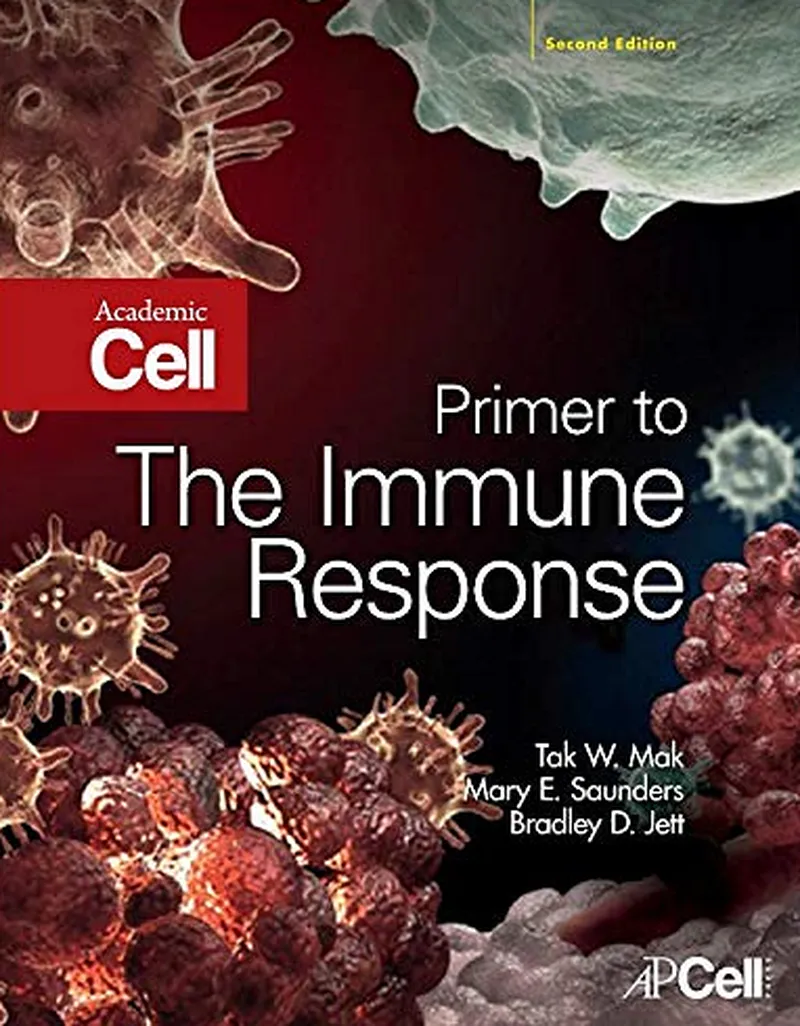

Primer to the Immune Response, 2nd Edition
Primer to the Immune Response, 2nd Edition is a comprehensive textbook that introduces the fundamental principles of immunology and immune system function. Published by Academic Cell, this edition provides a structured exploration of how the immune system recognizes foreign substances, coordinates protective responses, and maintains immune balance.
With 702 pages, the book offers detailed coverage of innate and adaptive immunity, immune cells, antigen recognition, antibodies, immune signaling, inflammation, immune regulation, and immune-related diseases, making it a valuable resource for students and researchers in immunology and biomedical sciences.
About the Book
The immune system is a complex network of cells, tissues, organs, and molecular signals that protects the body from pathogens and other threats.
Primer to the Immune Response introduces these systems progressively, helping readers understand how individual components interact to produce coordinated innate and adaptive immune responses.
Innate Immunity
Innate immunity provides an immediate line of defense against invading organisms.
The book examines physical barriers, innate immune cells, pattern-recognition mechanisms, complement, inflammatory mediators, and other components of the innate immune response.
Adaptive Immunity
Adaptive immunity provides highly specific and long-lasting protection.
The text explains the functions of B lymphocytes, T lymphocytes, antigen-presenting cells, and antigen-specific immune responses, providing a foundation for understanding immune memory.
Antigens and Antigen Recognition
The ability to distinguish foreign molecules from the body’s own components is fundamental to immunity.
The book explores antigens, antigen receptors, antigen processing, presentation, and recognition mechanisms involved in adaptive immune responses.
B Cells and Antibodies
B lymphocytes play a central role in antibody-mediated immunity.
The text covers B-cell development, activation, differentiation, antibody structure, antibody classes, and antibody-mediated effector functions.
T Cells and Cell-Mediated Immunity
T lymphocytes coordinate and execute important aspects of cellular immunity.
The book examines T-cell development, activation, differentiation, helper T-cell functions, cytotoxic T cells, and mechanisms of cell-mediated immune defense.
Major Histocompatibility Complex
Antigen presentation is essential for effective T-cell responses.
The text introduces the major histocompatibility complex (MHC) and explains its role in presenting antigen-derived peptides to T lymphocytes.
Complement System
Complement contributes to both innate and adaptive immune defense.
The book explains the major complement pathways and their roles in pathogen recognition, inflammation, opsonization, and elimination of target organisms.
Cytokines and Immune Signaling
Immune cells communicate through a complex network of signaling molecules.
The text discusses cytokines, chemokines, receptors, and intracellular signaling pathways that coordinate immune-cell activation and responses.
Inflammation
Inflammation is a major component of the immune response to infection and tissue damage.
The book explores the cellular and molecular mechanisms underlying acute and chronic inflammation and their relationship to host defense and disease.
Immune Regulation and Tolerance
Immune responses must be carefully regulated to prevent excessive tissue damage and inappropriate reactions.
The text examines immune regulation, tolerance, regulatory mechanisms, and the processes that maintain immune homeostasis.
Hypersensitivity and Allergy
Immune responses can sometimes produce harmful reactions.
The book discusses the mechanisms underlying hypersensitivity reactions and allergic responses, providing a foundation for understanding immune-mediated tissue injury.
Autoimmunity
Failure of immune tolerance can result in attacks against the body’s own tissues.
The text introduces the biological principles of autoimmunity and autoimmune disease.
Immunodeficiency
Defects in immune function can compromise the body’s ability to fight infections.
The book examines immunodeficiency disorders and their effects on immune defense, including the consequences of impaired immune responses.
Transplantation and Tumor Immunology
The immune system plays important roles in transplantation and cancer.
The text introduces transplant rejection, immune recognition of tumors, and immune mechanisms involved in tumor surveillance and destruction.
Vaccines and Immune Memory
Vaccination uses the principles of adaptive immunity to establish protection against infectious diseases.
The book discusses immune memory, vaccination, and the development of protective immune responses.
Who Is This Book For?
Primer to the Immune Response, 2nd Edition can be useful for:
- Immunology students
- Medical students
- Microbiology students
- Biomedical science students
- Biology students
- Biochemistry students
- Biotechnology students
- Health science students
- Laboratory science students
- Graduate students
- Biomedical researchers
It is particularly suitable for readers who want a detailed introduction to the mechanisms and organization of the immune response.
Final Thoughts
Primer to the Immune Response, 2nd Edition provides an extensive introduction to the cellular and molecular mechanisms of immunity.
Its coverage of innate and adaptive immunity, antigen recognition, B and T lymphocytes, antibodies, MHC, complement, cytokines, inflammation, immune regulation, tolerance, hypersensitivity, autoimmunity, immunodeficiency, transplantation, tumor immunology, and vaccination makes it a valuable study and reference resource for students and researchers in immunology and related biomedical disciplines.
Book Information
Title: Primer to the Immune Response
Edition: 2nd Edition
Publisher: Academic Cell
Publication Date: February 11, 2014
Language: English
Print Length: 702 pages
ISBN-10: 0123852455
ISBN-13: 978-0123852458
Subject: Immunology / Immune Response / Medical Immunology / Biomedical Science / Microbiology
Primer to the Immune Response, 2nd Edition provides comprehensive coverage of innate and adaptive immunity, antigen recognition, B and T cells, antibodies, MHC, complement, cytokines, inflammation, immune regulation, tolerance, hypersensitivity, autoimmunity, immunodeficiency, transplantation, tumor immunology, and vaccination, making it a valuable resource for students studying immunology and biomedical sciences.
Support the Creators!
If you enjoy this book, please consider supporting the author and publisher by purchasing a physical or digital copy. Buying official copies ensures authors can keep writing great books.