
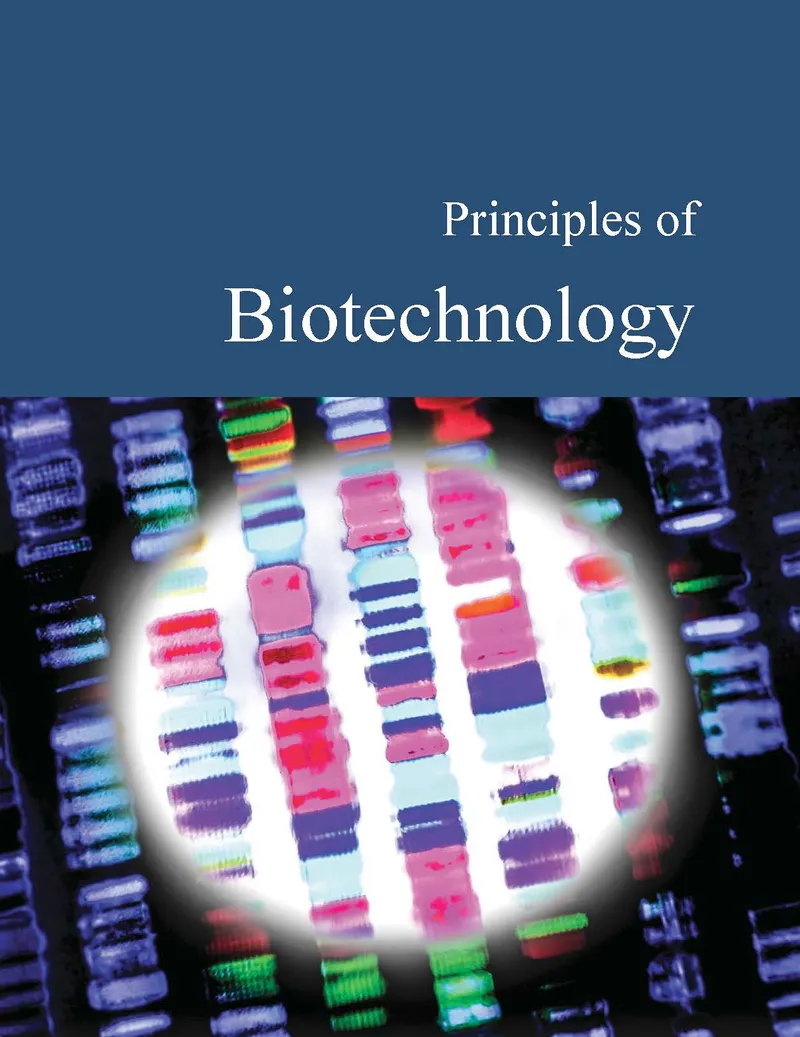

Principles of Biotechnology
Principles of Biotechnology by Christina A. Crawford is an accessible reference designed to introduce students and researchers to the fundamental concepts, applications, possibilities, and ethical considerations surrounding biotechnology. Using clear and approachable language, the book provides a foundation for understanding a field that connects biology with healthcare, agriculture, industry, environmental science, and other areas of modern science.
Rather than focusing only on technical concepts, this resource also considers the broader consequences and philosophical and ethical questions associated with biotechnology.
About the Book
The volume contains 134 articles, including 109 entries covering fundamental biotechnology principles and concepts. The entries span a broad range of subjects, from alternative energy sources and genetically modified organisms to cloning, synthetic fuels, medicinal plants, stem cell research and technology, and other important areas of biotechnology.
The alphabetical coverage, ranging from Alternative Energy Sources to Zygomycetes, makes the book useful as both an introductory learning resource and a reference for looking up specific biotechnology concepts.
Key Topics and Applications
The entries explore biotechnology and its applications across several important areas, including:
- Cloning and genetic technologies
- Genetically modified organisms
- Stem cell research and technology
- DNA fingerprinting
- Medicinal plants
- Synthetic fuels and alternative energy sources
- Environmental biotechnology
- Biotechnology in healthcare and medicine
- Biotechnology applications in nutrition
- Industrial biotechnology
- Agricultural biotechnology
- Biomechanical engineering
- Basic biological and technological principles
The broad scope helps demonstrate how biotechnology connects different branches of science and how biological discoveries can be translated into practical applications.
Clear and Structured Entries
Each entry dealing with a basic principle or concept follows a structured format intended to make complicated subjects easier to approach. Entries include information about the relevant fields of study, helping readers understand connections between biotechnology and related scientific disciplines.
An abstract provides a concise overview of the topic, followed by explanatory text describing its background, significance, processes, techniques, and applications. Models, diagrams, and charts are also used to clarify difficult concepts, while further-reading lists provide opportunities for deeper exploration.
Biographies of Important Scientists
The book also includes 23 biographies of key figures in biotechnology. These profiles introduce scientists and researchers through their contributions to the development of biotechnology.
Biographical entries include:
- Overview of the individual’s contributions
- Key dates and biographical information
- Primary scientific fields and specialties
- Important discoveries, inventions, and advances
- Early life and career
- Major scientific work
- Impact on biotechnology
- Further reading
This biographical component helps place important biotechnology discoveries within their historical and scientific context.
Reference and Study Tools
Several additional resources make Principles of Biotechnology useful for study and reference. These include a timeline of inventions and scientific advancements in biotechnology, a glossary, a general bibliography, and a subject index.
Together, these tools allow students and researchers to review terminology, explore the historical development of biotechnology, and locate information on specific subjects more efficiently.
Who Should Read This Book?
Principles of Biotechnology can be useful for:
- Biotechnology students
- Biology and life science students
- Molecular biology students
- Biomedical science students
- Researchers beginning work in biotechnology
- Students studying genetic and biological technologies
- Readers interested in biotechnology applications
- Students exploring the ethical and social dimensions of biotechnology
Final Thoughts
Principles of Biotechnology provides a broad introduction to biotechnology through concise reference entries, scientific explanations, illustrations, biographies, and study tools. Its coverage extends from fundamental biological principles to practical applications in medicine, agriculture, industry, energy, nutrition, and environmental science.
The inclusion of ethical and philosophical considerations also encourages readers to look beyond the technical aspects of biotechnology and consider the possibilities, implications, and consequences associated with rapidly developing biological technologies.
Book Information
Title: Principles of Biotechnology
Author: Christina A. Crawford
Print ISBN: 978-1-68217-678-8
e-ISBN: 978-1-68217-679-5
Print Length: 480 pages
Language: English
Subjects: Biotechnology, Molecular Biology, Genetics, Biomedical Science, Genetic Engineering, Stem Cell Research, Biotechnology Applications, Scientific Ethics
Support the Creators!
If you enjoy this book, please consider supporting the author and publisher by purchasing a physical or digital copy. Buying official copies ensures authors can keep writing great books.