

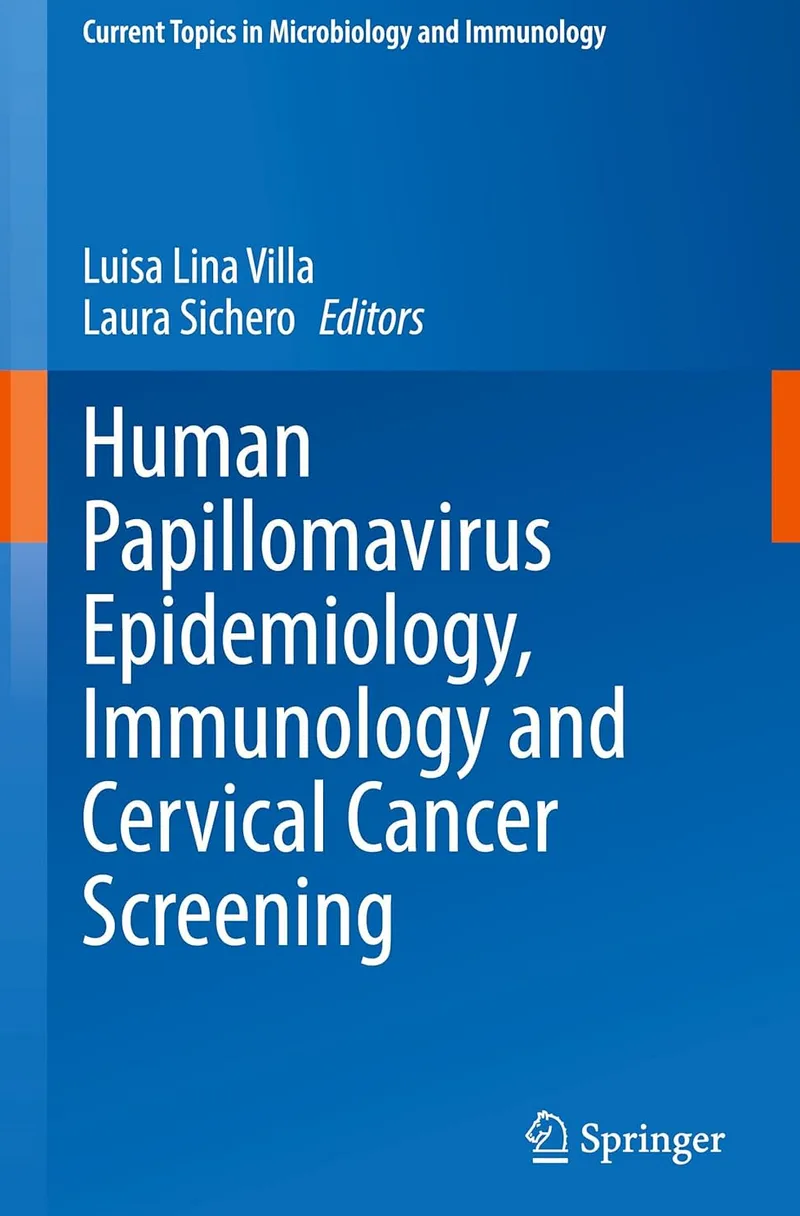

Human Papillomavirus Epidemiology, Immunology and Cervical Cancer Screening
Human Papillomavirus Epidemiology, Immunology and Cervical Cancer Screening examines recent developments in the understanding, detection, and prevention of Human Papillomavirus (HPV) infection and HPV-associated cancers. Published by Springer in 2026, this concise volume brings together epidemiology, molecular diagnostics, immunology, and cancer screening to provide a current perspective on one of the most important viral contributors to human cancer.
The book explores the diverse nature of HPV and its global distribution, while examining modern approaches to screening and monitoring disease progression. Topics include HPV genotype-specific testing, DNA methylation screening, natural immune responses following infection, immunity after vaccination, co-factors involved in cervical carcinogenesis, and the emerging role of the tumor microbiome.
About the Book
HPV represents a heterogeneous group of viruses with significant implications for infectious disease, cancer prevention, and public health. Understanding its epidemiology and biological behavior is essential for developing effective strategies for detecting persistent infections and preventing HPV-associated malignancies.
This volume brings together several complementary perspectives, connecting population-level epidemiological findings with immunological mechanisms and advances in molecular screening. It also considers important gaps in current knowledge and identifies areas where further research may improve HPV prevention, diagnosis, and treatment.
HPV Epidemiology and Global Distribution
The book examines the epidemiology of HPV and considers the diverse nature of HPV infections across populations and geographic regions. Understanding the distribution of different HPV types provides an important foundation for assessing disease burden and developing appropriate screening and prevention strategies.
The discussion also extends beyond cervical disease, addressing the epidemiological burden of HPV-induced tumors affecting sites outside the uterine cervix and highlighting their relevance to both women and men.
HPV Genotypes and Diagnostic Testing
Different HPV genotypes can have different clinical implications, making accurate detection and characterization an important part of modern screening. The book discusses diagnostic approaches designed to identify different HPV genotypes and considers how molecular testing contributes to the assessment of HPV-associated disease.
These approaches provide a foundation for understanding how advances in molecular diagnostics can support more targeted screening strategies.
DNA Methylation and Cervical Cancer Screening
A notable topic is DNA methylation screening as a molecular approach for monitoring cancer progression in patients with high-risk HPV infections. The inclusion of this subject reflects the growing interest in molecular biomarkers that may complement conventional screening methods.
By examining emerging diagnostic strategies alongside established epidemiological knowledge, the book provides readers with insight into the evolving landscape of HPV-related cancer screening.
Immune Responses to HPV Infection and Vaccination
The immune system plays a central role in determining the outcome of HPV infection. The volume explores natural immune responses following HPV infection and discusses immune responses associated with vaccination.
This immunological perspective helps connect HPV infection with the body’s mechanisms for recognizing and responding to the virus, while also providing context for understanding vaccination as an important component of HPV prevention.
Co-Factors in Cervical Carcinogenesis
HPV infection alone does not fully explain the complex process of cervical carcinogenesis. The book examines the role of co-factors that may influence the development of HPV-associated cervical cancer.
Understanding these interactions provides a broader perspective on cancer development and emphasizes the multifactorial nature of HPV-related disease.
The Tumor Microbiome
The emerging field of the tumor microbiome is another area addressed in the volume. Examining the microbial environment associated with tumors may provide new insights into the biological processes involved in cancer and potentially identify new avenues for research.
Its inclusion demonstrates the increasingly interdisciplinary nature of HPV and cancer research.
HPV-Associated Tumors Beyond Cervical Cancer
Although cervical cancer is a major focus of HPV prevention and screening, HPV-associated tumors can also occur beyond the uterine cervix. The book considers the wider epidemiological burden of HPV-induced tumors and emphasizes their importance for both women and men.
This broader approach helps readers appreciate HPV as a significant health concern extending beyond cervical disease alone.
Current Challenges and Future Research
In addition to reviewing current knowledge, Human Papillomavirus Epidemiology, Immunology and Cervical Cancer Screening critically examines gaps in the field. The book identifies areas where additional research may be needed and considers possible future directions for HPV epidemiology, diagnostics, immunology, and cancer prevention.
This research-oriented perspective makes the volume particularly relevant to readers following the latest developments in HPV science.
Who Should Use This Book?
- Researchers studying human papillomavirus and viral oncology
- Clinicians involved in HPV-related disease and cancer prevention
- Public health professionals working in infectious disease or cancer control
- Researchers studying cervical cancer screening
- Medical and biomedical scientists interested in HPV immunology
- Students and professionals exploring molecular epidemiology
- Readers interested in HPV-associated cancers and cancer prevention
Final Thoughts
Human Papillomavirus Epidemiology, Immunology and Cervical Cancer Screening provides a focused overview of important developments in HPV research, bringing together epidemiological, immunological, diagnostic, and cancer-related perspectives. Its coverage of genotype-specific testing, DNA methylation, immune responses, carcinogenesis, and the tumor microbiome reflects the multidisciplinary nature of contemporary HPV research.
With attention to both cervical cancer and HPV-associated tumors beyond the cervix, the book offers researchers, clinicians, and public health professionals a useful resource for understanding current challenges and emerging directions in HPV detection, prevention, and cancer research.
Book Information
Title: Human Papillomavirus Epidemiology, Immunology and Cervical Cancer Screening
Publisher: Springer
Publication Date: February 16, 2026
Language: English
Print Length: 134 pages
ISBN-10: 303217774X
ISBN-13: 978-3032177742
Subjects: Human Papillomavirus, HPV Epidemiology, HPV Immunology, Cervical Cancer, Cancer Screening, Molecular Diagnostics, DNA Methylation, HPV Genotypes, Vaccination, Cervical Carcinogenesis, Tumor Microbiome, Public Health
Human Papillomavirus Epidemiology, Immunology and Cervical Cancer Screening offers a focused look at modern HPV research, screening, immune responses, and the prevention of HPV-associated cancers.
Support the Creators!
If you enjoy this book, please consider supporting the author and publisher by purchasing a physical or digital copy. Buying official copies ensures authors can keep writing great books.